
The Evolution of Evening Leisure with LazyBar

From Casual Browsing to Immersive Digital Play

The transition from a quiet scroll through social feeds to an evening spent enjoying digital entertainment often happens without much fanfare. Many users begin with a short look at a news aggregator or a streaming homepage before drifting toward casino-style platforms. LazyBar has emerged in this space as one destination where the shift feels gradual rather than abrupt. The interface keeps navigation simple, letting players move between game lobbies and live tables without needing extra clicks or complicated menus. Over time, this ease of movement encourages longer sessions that still feel relaxed rather than rushed. Users frequently mention that the layout mirrors familiar mobile apps, reducing the learning curve for those who may not have tried online casino environments before. The result is a flow that matches modern attention patterns, where entertainment is available but never demands immediate commitment.

Practical observations show that people who start a session after dinner often remain engaged for forty to ninety minutes. LazyBar tracks session data internally, presenting gentle reminders when playtime extends beyond personal limits that users can set themselves. This approach contrasts with platforms that push endless autoplay features. Instead, the system allows natural pauses, such as switching from slots to a live dealer table without losing progress on bonus rounds. The design choice reflects a broader understanding of leisure habits in which users want options without pressure. Comparison with older casino websites highlights the difference: those sites often required multiple loading screens, while LazyBar keeps transitions nearly instantaneous on both mobile and desktop connections.

Slots as the Core of Modern Casino Lineups

Slot titles remain the most visited category across digital entertainment platforms, and LazyBar positions them prominently without overwhelming the rest of the menu. Popular releases from established studios feature varied mechanics such as cascading reels, expanding wilds, and multi-level bonus rounds. Players who prefer classic three-reel games can still find them, yet the majority of new content leans toward five-reel video slots with thematic storytelling. One example includes a detective series where each successful spin advances a short narrative, keeping attention across multiple rounds rather than delivering isolated wins. These layered experiences encourage continued play without constant manual intervention, which suits users who enjoy background entertainment while handling other tasks.

Volume matters as well. LazyBar regularly updates its catalog with dozens of new titles each month, including seasonal events tied to holidays or major sports tournaments. The sheer number of choices requires careful curation, and the platform provides filter options by volatility, return-to-player percentage, and feature type. Users can sort by trending status or by developer name, making it easier to locate specific preferences. In contrast to physical casinos where machine variety depends on floor space, the digital format allows unlimited expansion. Yet this abundance can create decision fatigue, so LazyBar counters the effect with curated “staff picks” lists that highlight three to five standout releases each week. This measured presentation keeps focus on quality rather than sheer quantity.

Live Dealer Streams and the Appeal of Real-Time Interaction

Livestream casino content has gained steady traction because it combines the convenience of home play with the social atmosphere once limited to land-based venues. LazyBar broadcasts tables for blackjack, roulette, and baccarat through high-definition video feeds hosted by professional dealers. Viewers can type short messages visible to the table and receive responses, creating a sense of shared presence even when hundreds of participants join simultaneously. The chat window remains optional, allowing players who prefer quiet observation to disable it entirely. Technical stability has improved noticeably over the last two years, with fewer interruptions during peak evening hours when viewership reaches its highest numbers.

Production values vary across providers, yet LazyBar maintains consistent standards by selecting studios that use multiple camera angles and clear audio. A blackjack table might show overhead views of card placement alongside close-ups of chip stacks, helping viewers follow game flow without confusion. Some streams incorporate subtle background music calibrated to match the energy of each table. This attention to detail mirrors broadcast standards seen in other live entertainment formats such as cooking shows or sports commentary. When compared with recorded gameplay videos available on video platforms, the live element introduces genuine unpredictability that cannot be scripted in advance, which many users cite as the main reason they return.

  • Multiple camera perspectives improve clarity during fast-paced rounds.
  • Chat moderation keeps conversations respectful without removing player voice.
  • Language options for dealers accommodate international audiences smoothly.
  • Betting limits range from low-stakes tables to higher-roller rooms within the same stream.

Player Safety Measures and Responsible Leisure Practices

Safety features on digital platforms have moved beyond basic age verification to include proactive tools that help users monitor their own behavior. LazyBar provides deposit limits, loss limits, and session timers that can be adjusted at any point without contacting support. These settings activate automatically once chosen and cannot be overridden mid-session, adding a layer of friction that encourages thoughtful decisions. Data from industry reports indicates that players who activate at least one limit tend to maintain more consistent spending patterns over several months. The platform also displays clear information about game return rates and volatility so participants can understand risk levels before placing bets.

Support resources extend beyond automated tools. LazyBar links to external organizations that specialize in gambling-related assistance, presenting the information in neutral language without judgment. Staff trained in responsible gaming conduct periodic outreach through short in-app messages when unusual activity patterns appear. These messages do not block play but suggest taking a short break or reviewing recent session history. Such measures acknowledge that leisure habits differ widely among users, and what constitutes moderate play for one person may differ significantly for another. The overall approach emphasizes information and choice rather than restriction, aligning with regulatory expectations in licensed markets.

Comparisons with unregulated sites reveal meaningful distinctions. Platforms operating without oversight often lack transparent payout verification or secure payment processing. LazyBar, by contrast, publishes monthly reports from independent testing agencies confirming that random number generators function within expected parameters. Payment methods include established bank transfers and digital wallets, each processed with standard encryption protocols. Users report fewer disputes over delayed withdrawals when using verified accounts. These operational details contribute to an environment where safety functions as a baseline rather than an added feature, supporting longer-term trust between the platform and its audience.

Changing Patterns in How Adults Spend Free Time

Modern leisure routines increasingly blend digital entertainment with short, scheduled breaks from work or household responsibilities. LazyBar fits within these patterns by offering sessions that can start and pause without requiring physical travel or advance reservations. Evening hours remain the busiest period, yet midday and late-night activity shows steady growth as remote work schedules create more flexible personal time. Data collected across similar platforms suggests that average session length has shortened slightly over the past three years, with more users opting for multiple brief visits instead of single extended blocks. This fragmentation reflects broader habits seen in video streaming and social media consumption.

Device preferences also influence how content is consumed. While desktop remains popular for live dealer tables that benefit from larger screens, mobile play dominates slot sessions. LazyBar optimizes its mobile view so that game reels remain fully visible even on smaller displays, and touch controls respond without noticeable lag. Battery usage stays moderate because the platform avoids heavy background animations when not in active play. These technical considerations matter when users integrate entertainment into routines that already include video calls, messaging, and other device-based tasks. The combination of accessibility and restrained design helps prevent the feeling of digital overload that can accompany constant screen time.

Community aspects exist but stay understated. Leaderboards for certain slot tournaments appear during promotional windows yet remain entirely optional. Players who enjoy light competition can track their position without pressure to increase stakes. Meanwhile, those who prefer solitary play can ignore rankings completely. This balance mirrors the wider trend in digital leisure where shared experiences coexist with private consumption. Over time, platforms like Lazy Bar Casino appear positioned to accommodate both ends of that spectrum while maintaining focus on individual choice and consistent technical performance.


JeetCity als Zentrum moderner Freizeitgestaltung im digitalen Zeitalter

Wie unterstützen Hilfsangebote die Orientierung in der Welt digitaler Unterhaltung?

Im digitalen Freizeitbereich sind verlässliche Hilfsangebote ein zentraler Aspekt, der Nutzern den Einstieg und die tägliche Nutzung erleichtert. Plattformen wie JeetCity stellen oft umfassende Support-Kanäle zur Verfügung, die von Live-Chat über E-Mail bis hin zu detaillierten FAQ-Bereichen reichen. Solche Dienste helfen Spielern, Fragen zu technischen Abläufen oder Bonusbedingungen schnell zu klären. Es ist bemerkenswert, wie ein strukturiertes Support-System nicht nur Frustration reduziert, sondern auch das Vertrauen in die Plattform stärkt. Viele Nutzer berichten, dass sie sich durch sofortige Antworten auf ihre Anliegen deutlich sicherer fühlen. Der Vergleich mit früheren Zeiten, in denen man tagelang auf Antworten warten musste, zeigt die Fortschritte deutlich. Moderne Hilfsangebote sind nicht nur reaktiv, sondern proaktiv gestaltet, indem sie bereits im Vorfeld häufige Fragen abdecken.

Ein weiterer wichtiger Punkt ist die Verfügbarkeit rund um die Uhr. Gerade bei unterschiedlichen Zeitzonen oder bei spontanen Fragen am späten Abend ist es entscheidend, dass Hilfe jederzeit erreichbar ist. JeetCity integriert oft mehrsprachige Support-Teams, die kulturelle Nuancen berücksichtigen. Dadurch werden internationale Spieler besser betreut. Praktische Beispiele zeigen, dass ein gut strukturierter Chat-Support innerhalb weniger Minuten komplexe Themen wie Bonusumsetzung oder Auszahlungsvorgänge erklären kann. Das steigert die Zufriedenheit und reduziert Abbrüche während der Nutzung erheblich. Im Vergleich zu reinen E-Mail-Supports wirkt der Live-Chat deutlich direkter und persönlicher.

Warum spielt die Informationsklarheit eine entscheidende Rolle für das Nutzererlebnis?

Klare und übersichtliche Informationen sind der Grundstein für eine angenehme Erfahrung in digitaler Unterhaltung. Nutzer schätzen es, wenn Regeln, Bonusbedingungen und Spielbeschreibungen verständlich und ohne Fachjargon aufbereitet sind. JeetCity legt Wert darauf, dass Spieldetails in mehreren Sprachen und mit anschaulichen Beispielen dargestellt werden. Dadurch werden Missverständnisse vermieden und neue Nutzer fühlen sich schneller integriert. Eine transparente Darstellung von Gewinnchancen und Auszahlungsraten trägt zusätzlich zur Vertrauensbildung bei. Manche Plattformen nutzen sogar interaktive Grafiken oder kurze Erklärvideos, um komplexe Zusammenhänge greifbar zu machen. Diese Bemühungen um Klarheit wirken sich positiv auf die Gesamtzufriedenheit aus und reduzieren Support-Anfragen nachhaltig.

Im direkten Vergleich mit weniger transparenten Anbietern zeigt sich, dass Nutzer bei JeetCity seltener auf versteckte Klauseln stoßen. Das bedeutet weniger Überraschungen und eine bessere Planbarkeit der eigenen Spielzeit. Praktische Details wie die Anzeige von RTP-Werten direkt in der Spielübersicht oder die klare Kennzeichnung von Freispiel-Angeboten erleichtern die Entscheidungsfindung. Viele erfahrene Spieler schätzen zudem die Möglichkeit, ältere Versionen der Nutzungsbedingungen einzusehen, um Änderungen nachzuvollziehen. Solche Maßnahmen stärken die Position der Plattform als verlässlicher Partner im Freizeitbereich.

Wie verändert die livestreambasierte Casino-Unterhaltung klassische Spielgewohnheiten?

Livestream-Casino-Inhalte haben die Art und Weise, wie Menschen Slots und Tischspiele erleben, nachhaltig erweitert. Statt allein vor dem Bildschirm zu sitzen, können Spieler nun in Echtzeit mit Dealern und anderen Teilnehmern interagieren. JeetCity bietet oft integrierte Live-Optionen, bei denen die Nutzer bequem von zu Hause aus das authentische Casino-Feeling genießen. Diese Form der Unterhaltung kombiniert visuelle Attraktivität mit sozialen Elementen, die früher nur in physischen Casinos vorhanden waren. Besonders beliebt sind Live-Roulette und Blackjack-Varianten, bei denen interaktive Chat-Funktionen die Spannung erhöhen. Der Vergleich mit traditionellen Slot-Sessions zeigt, dass Livestreams oft längere Spielzeiten erzeugen, weil die soziale Komponente motivierend wirkt.

Ein weiterer Aspekt ist die technische Qualität der Übertragungen. Hochauflösende Kameras und stabile Verbindungen sorgen dafür, dass die Immersion nicht durch technische Störungen unterbrochen wird. Nutzer berichten von einer deutlich intensiveren Erfahrung, wenn sie in Echtzeit beobachten können, wie der Croupier die Karten mischt. Diese Entwicklung hat auch Auswirkungen auf die soziale Wahrnehmung von Glücksspielen. Während früher Skepsis gegenüber Online-Angeboten bestand, gelten Livestreams heute als seriöse und unterhaltsame Alternative. JeetCity integriert solche Formate oft nahtlos in die bestehende Plattformstruktur, was den Übergang für Nutzer erleichtert.

Welche Sicherheitsmechanismen fördern verantwortungsvolles Spielen in der digitalen Welt?

Verantwortungsvolles Spielen wird durch eine Kombination aus technischen und organisatorischen Maßnahmen unterstützt. JeetCity setzt auf klare Limits für Einzahlungen, Verlustgrenzen und Spielzeiten, die Nutzer individuell anpassen können. Solche Werkzeuge helfen, die Kontrolle über die eigene Freizeitaktivität zu behalten. Zusätzlich bieten viele Plattformen Selbsttests an, die auf mögliche Risikofaktoren hinweisen. Der Vergleich mit früheren Online-Angeboten zeigt, dass heutige Systeme deutlich fortschrittlicher sind und proaktiv eingreifen, bevor Probleme entstehen. Besonders hilfreich ist die Möglichkeit, Pausen einzulegen oder das Konto vorübergehend zu sperren, ohne komplizierte Antragsverfahren durchlaufen zu müssen.

Ein weiterer wichtiger Bestandteil ist die Zusammenarbeit mit externen Beratungsstellen. Spieler erhalten oft direkte Links zu Hilfsorganisationen, die bei Bedarf professionelle Unterstützung leisten. Diese Kombination aus technischen Limits und externer Hilfe schafft ein sichereres Umfeld. Praktische Beobachtungen zeigen, dass Nutzer, die regelmäßig Limits nutzen, seltener negative Erfahrungen machen. Die Transparenz darüber, wie Daten geschützt werden und welche Sicherheitsstandards eingehalten werden, trägt ebenfalls zur allgemeinen Akzeptanz bei. JeetCity informiert in verständlicher Form über diese Mechanismen, was das Vertrauen zusätzlich stärkt.

Welche modernen Freizeitgewohnheiten zeigen sich beim Umgang mit Online-Casino-Angeboten?

Die Art, wie Menschen Freizeit gestalten, hat sich in den letzten Jahren massiv verändert. Viele Nutzer integrieren Online-Casino-Spiele wie Slots oder Livestream-Formate in ihre tägliche Routine, ähnlich wie das Streamen von Serien oder das Spielen mobiler Spiele. JeetCity bietet hier eine Plattform, die sich flexibel an unterschiedliche Lebensstile anpasst. Die mobile Nutzung erlaubt es, kurze Spielpausen während der Mittagspause oder am Abend einzulegen. Dadurch entsteht eine neue Form der Freizeitgestaltung, die sowohl entspannend als auch sozial sein kann, wenn Live-Formate genutzt werden. Der Vergleich mit klassischen Freizeitaktivitäten zeigt, dass digitale Angebote oft niedrigschwelliger und flexibler sind.

Es ist interessant zu beobachten, wie Gemeinschaften rund um bestimmte Spiele entstehen. Nutzer tauschen sich über Strategien aus oder feiern gemeinsame Gewinne in Foren und Chat-Gruppen. Solche sozialen Aspekte waren früher eher Randerscheinungen, gewinnen aber durch Livestreams und integrierte Chat-Funktionen an Bedeutung. Dabei spielt die Unterstützung durch klare Informationen und Hilfsangebote eine wichtige Rolle, weil sie den Einstieg erleichtern und Unsicherheiten abbauen. Praktische Beispiele zeigen, dass Nutzer, die sich gut informiert fühlen, länger und zufriedener auf der Plattform aktiv bleiben. Die Verbindung aus Unterhaltung, sozialer Interaktion und Sicherheitsmechanismen schafft ein modernes Freizeitangebot, das den Bedürfnissen der heutigen Nutzer entspricht. Weitere Details und den direkten Zugang zur Plattform bietet Jeet City Anmelden für alle, die sich über aktuelle Features informieren möchten.

Zusätzlich lässt sich feststellen, dass die Vielfalt der verfügbaren Spiele unterschiedliche Spielertypen anspricht. Während einige Nutzer klassische Slots mit einfachen Mechaniken bevorzugen, suchen andere komplexe Live-Tischspiele oder thematisch anspruchsvolle Titel. JeetCity berücksichtigt diese Vielfalt durch ein breites Portfolio, das sowohl Einsteiger als auch erfahrene Spieler anspricht. Die Möglichkeit, Spiele vorab kostenlos zu testen, ist ein weiterer Vorteil, der den Einstieg erleichtert. Solche Testoptionen reduzieren die Hemmschwelle und ermöglichen es Nutzern, ihre Präferenzen ohne finanzielles Risiko zu erkunden. Im Gesamtbild zeigt sich, dass moderne Freizeitgewohnheiten zunehmend von Flexibilität, sozialer Einbindung und verantwortungsvollen Rahmenbedingungen geprägt sind.

From Baggy to Bereft: How Blur Reinvented Themselves Seven Times Over

Most bands find a sound and stay there. Blur found a sound, got bored, smashed it up, and built something stranger. Over three decades and eight studio albums they shifted from baggy dance-rock to Britpop bombast, then quietly sidestepped into lo-fi Americana, art-noise, and finally a kind of hushed, bruised elegance that nobody saw coming. If you’re a casual fan, that journey can feel bewildering. If you’re a devotee, it’s exactly why you keep coming back.

Phase One: Learning to Walk (1991–1993)

Blur arrived in 1991 with Leisure, an album that spent most of its time trying to be the Stone Roses and not quite managing it. The shoegaze wash of “She’s So High” and the baggy shuffle of “There’s No Other Way” were perfectly serviceable, but there wasn’t yet a reason to believe this band had anything irreplaceable to say.

Modern Life Is Rubbish in 1993 changed that. The record was a deliberate rejection of American grunge and a reclaiming of English identity: kinks, quirks, milk floats, Seurat paintings. Producer Stephen Street sharpened the guitars and Damon Albarn started writing characters rather than moods. “For Tomorrow” still sounds like a small masterpiece — melancholic, very specifically British, proud of it.

Phase Two: The Britpop Coronation (1994–1995)

Parklife made them famous and The Great Escape nearly made them a parody. The 1994 album was a genuine cultural event: Phil Daniels barking over brass, Graham Coxon’s melodic precision, Albarn’s gallery of London characters. Winning four Brit Awards in one night felt like destiny.

The backlash arrived almost immediately. The Great Escape (1995) pushed the kitchen-sink detail to a point of saturation. Critics called it smug. The chart battle with Oasis over “Country House” vs “Roll With It” played out like a pantomime, and Blur won the singles race but quietly felt the emptiness of the prize. Something had to break.

Phase Three: The American Detour Nobody Expected (1997)

The self-titled Blur album in 1997 is still the band’s most audacious move. Recorded in London but spiritually somewhere in rural America — Pavement, Guided by Voices, Sebadoh — it stripped away the brass sections and the cheeky winks and replaced them with fractured guitars and something close to genuine unease. “Song 2” became the surprise global hit (Albarn has always seemed faintly bemused by its success), but “Beatlebum” and “You’re So Great” showed the quieter, more unsettled side of the pivot.

It remains the album that most convincingly argues Blur were never a Britpop band at heart — they were something odder and harder to categorise.

Phase Four: Into the Abstract (1999–2003)

13 (1999) was written during Albarn’s breakup with Justine Frischmann and it sounds exactly like that: raw, sprawling, produced by William Orbit into something simultaneously lush and fractured. “Tender” — ten minutes long on the album, the Harlem Gospel Choir arriving like a visitation — is probably their most emotionally open moment.

Think Tank in 2003 went further still. Recorded largely in Morocco, with Coxon barely present (he left during sessions and the estrangement would last a decade), it sounds like a band dissolving into texture. “Out of Time” is beautiful and “Good Song” is quietly devastating. The album ended with a full stop, not a question mark.

Phase Five: Return, Reunion, and Something Genuinely Unexpected (2015–2023)

The reunion shows of 2009 were a reminder of how much had been missed. But The Magic Whip in 2015 felt like more than nostalgia. Written during a stranded stopover in Hong Kong, it has a strange, slightly dissociated quality — drifting between wistfulness and alienation in a way that suited a band trying to figure out what they still were to each other.

The Ballad of Darren (2023) arrived with the most muted expectations and delivered the most quietly affecting record in their catalogue. It is an album about ageing, loss, and the particular sadness of being aware that time is finite. “The Narcissist” and “The Everglades (For Leonard)” sit in a tradition of English melancholy that runs from the Kinks through to Ray Davies’ most elegiac moments.

What’s remarkable is that none of these phases were cynical. Each reinvention came from genuine restlessness rather than commercial calculation. Blur have always been a band more interested in the next idea than the last success — and thirty years in, that instinct still produces music worth paying attention to.

Where to Start if You’re New

The honest answer depends on what you want from them:

  • For the hooks and the energy: Parklife (1994)
  • For the emotional core: 13 (1999)
  • For the weirdness: Blur (1997)
  • For the late-career depth: The Ballad of Darren (2023)

Start anywhere. Just don’t stop at the first album you find.

The Breakpoint: How Blur Survived Their Most Serious Internal Crisis

Many of Blur’s fans view the band as the quintessence of the British scene of the 1990s, with its sharp humor, clever lyrics, and healthy rivalry with the band Oasis. From “Parklife” to “Song 2,” Blur’s members created a collection of songs that would influence the future development of alternative rock.

However, behind all the success, Blur came frighteningly close to disintegration.

Amidst the height of the band’s popularity, conflicts erupted in the inner life of the quartet, threatening to tear apart all their achievements. Rivalry among the members, drug problems, differences in the creative approach, and simple exhaustion pushed the four musicians, Damon Albarn, Graham Coxon, Alex James, and Dave Rowntree, to the point of collapse.

Success That Created Pressure

Amidst the height of the band’s popularity, conflicts erupted in the inner life of the quartet, threatening to tear apart all their achievements. Rivalry among the members, drug problems, differences in the creative approach, and exhaustion brought the four musicians, Damon Albarn, Graham Coxon, Alex James, and Dave Rowntree, to the point of collapse.

The ascent of Blur was fast and furious. The early struggle for finances and the uncertainty of their future led them to reinvent themselves as the face of Britpop with the releases of Modern Life Is Rubbish and Parklife. Their popularity grew because of their intelligent and unique British character.

These days are akin to many others in people’s lives that require a step back before they can build up again. In fact, even beyond the world of music, industries built on performance understand very well that healing and resilience are as important as performance itself. Such concepts find reflection in platforms such as österreichischecasinos.at, where the focus lies on control and balance.

Silence, Distance, and Reflection

Each person in the band had their own aspirations. It was Damon Albarn whose voice emerged as the driving force in shaping their future direction as a band. Graham Coxon, their guitarist who helped make their unique music, began feeling left out. Alex James enjoyed everything fame brought, while Dave Rowntree watched the chaos unfold.

The constant pressure to be innovative and the fact that their tours had started causing problems in their personal lives. Though from the outside, it seemed like a group of very talented musicians, from the inside, things were not that great.

Following the release of Think Tank, Blur was believed to be in permanent hiatus.

The band members took divergent paths; Albarn succeeded big time with his venture, Gorillaz. Coxon chose to explore a solo career and self-healing. James completely changed his public persona, while Rowntree opted for other projects.

Sometimes, it is through distance that healing happens. Freeing themselves from constant scrutiny and pressure associated with being Blur, they all gained clarity not just about their careers but also about their relations.

The Breaking Point

By the middle to late 1990s, tensions had escalated dramatically. The band was alleged to have been on the verge of a nervous breakdown.

The guitarist Graham Coxon was battling alcoholism as well as social anxiety disorders. However, certain members of the band admitted that there were elements of drugs and mental distress within the band. For Damon Albarn, those times were “hell,” plagued by panic attacks and psychological exhaustion.

Creative differences only fueled the issue. Graham’s tastes leaned toward edgy and raw sounds, while Damon’s management approach increasingly frustrated other band members. Their long-term friendship, the emotional center of Blur’s music, eroded.

The situation culminated in 2002, when Coxon was effectively forced out of the band while making their album Think Tank. While it was officially about his attitude and contribution, in reality, it was a consequence of decades of tension between the band members.

Blur was not Blur without Graham Coxon. And Blur itself felt like the end.

Rebuilding Trust

Blur’s real rebirth was not through a performance. Blur’s real rebirth came through discussion.

Before officially getting back together, the band is said to have undergone mediation and counseling to address their unresolved feelings about Coxon’s departure and the years of hurt they had endured. Graham Coxon went on to explain how, although they tried to forget about the whole situation, there were still a number of issues to be dealt with.

From then on, everything would be different. In 2009, Blur reunited with their original members for the first time since 1994. Even going on stage and performing at Hyde Park and Glastonbury.

Why Blur Endured

Great bands can fall apart due to tensions within their ranks. Very few get back up. Blur did survive because they finally chose to be honest rather than prideful.

Their experience proves that creative relationships are quite vulnerable even amid fame, stress, and disagreements. At the same time, it also demonstrates the importance of working through conflicts to find solutions and forgiveness.

Nowadays, Blur’s reputation goes beyond their music. Their reputation stands for their survival. They hit rock bottom but managed to overcome the problem.

From Parklife to Playlists: How to Programme a Blur Night That Actually Flows

Being a Blur fan has always been about more than guitar lines and clever couplets. It’s community: voices shouting “All the people” in kitchens; strangers turning into mates when the “La la la la la” of “Tender” lands; the collective pogo when “Song 2” detonates. If you’re hosting a Blur-flavoured party—or curating a fan meet-up, pub night, or vinyl social—don’t just dump hits in a queue. Programme the evening like a short film: a beginning that welcomes, a middle that plays, a peak that lifts the roof, and a closing glow that sends everyone home grinning.

Below is a field-tested blueprint for building a night that feels intentional, photographs beautifully, and still leaves space for chaos in all the right places.

The Blur DNA (what you’re actually scoring)

Blur’s catalogue offers four core textures. Mix them like a chef, not a jukebox:

  1. Kitchen-sink Britpop – brass, bounce, observational swagger (“Parklife,” “Charmless Man,” “Country House”).
  2. Art-school melancholy – widescreen tenderness and wry ache (“The Universal,” “Out of Time,” “To the End,” “Under the Westway”).
  3. Ragged punk & lo-fi fuzz – elbows-out energy (“Song 2,” “Popscene,” “St. Charles Square”).
  4. Pastoral & sideways psychedelia – soft focus, odd magic (“Beetlebum,” “Blue Jeans,” “He Thought of Cars,” “Ghost Ship”).

A great night cycles through these flavours without whiplash.

The Seven-Scene Arc (your secret weapon)

Think in scenes, not singles:

  1. Arrival (10–15 mins) – Low tempo, warm textures, room finds its feet.
  2. Welcome (10 mins) – A touch brighter for first toasts, name badges, and hellos.
  3. Social/Dine (30–45 mins) – Mid-tempo glow: melodic, conversational.
  4. Games/Activation (15–20 mins) – Playful, percussive, sly.
  5. Peak Burst (10–12 mins) – Two or three lightning rods, placed, not sprayed.
  6. Dance Run (30–40 mins) – The highest pulse you’ll run all night.
  7. Farewell Glow (10–12 mins) – Slow release; phones out for the last chorus.

This arc keeps energy coherent even as you bounce eras and moods.

Sample Two-Hour Flow (swap at will)

Arrival

  • “Blue Jeans” – that woozy Sunday light.
  • “Out of Time” – air and ache; volume under café level.
  • “Good Song” – gentle lift, still room to talk.

Welcome

  • “For Tomorrow” (single version) – communal wingspan.
  • “Tracy Jacks” – brisk, cheeky, smile-starter.

Social/Dine

  • “Coffee & TV” – melodic, mid-tempo, universally loved.
  • “Country Sad Ballad Man” – hazy glide; great under conversation.
  • “Ghost Ship” – Magic Whip’s soft tide works wonders at dusk.
  • “Barbaric” – a modern shimmer from The Ballad of Darren.
  • “The Universal” (instrumental edit if you’ve got it) – cinematic without shouting.

Games/Activation (quizzes, raffle, quick speeches)

  • “Charmless Man” – camp, cut-glass fun.
  • “Girls & Boys” – elastic groove, keep the faders ready.
  • “To the End” – a lovely breather between announcements.

Peak Burst

  • “Song 2” → “Parklife” (or vice versa, depending on crowd age and stamina).
  • “There’s No Other Way” – acid-washed shimmy that keeps the floor after the pogo.

Dance Run

  • “On Your Own” – motorik stride.
  • “Beetlebum” (album) – weighty and hypnotic; surprising on a dancefloor.
  • “Chemical World” – springy guitars, lifts smiles.
  • “St. Charles Square” – snarling modern punch.
  • “Girls & Boys” (reprise or remix) – only if the room demands a second wind.

Farewell Glow

  • “Tender” – communal chorus, lights a thousand phones.
  • “Under the Westway” – soft landing; breathe, hug, coat-grab.

Keep crossfades clean (5–8 seconds), avoid sudden BPM cliffs, and leave 10–15 seconds of headroom between mini-blocks so you can speak without stomping the mix.

Inclusion and room craft (the hospitality bits)

  • Volume tiers: Dining/lounge under conversation level; save your loudest 20 minutes for the Dance Run.
  • A quiet corner: Nearfield speaker at lower volume for guests who need a sensory reset.
  • Age mix: Interleave deep cuts with obvious highs; grandparents will love “The Universal,” teens will jump to “Song 2,” everyone meets in “Coffee & TV.”
  • Rights & respect: Private house parties are fine on mainstream platforms; public venues should check PRO coverage.

Deep cuts vs. safeties (and when to deploy each)

Safeties (your floor glue): “Coffee & TV,” “Girls & Boys,” “Parklife,” “Song 2,” “Tender,” “The Universal.”
Deep-cut seasoning: “He Thought of Cars,” “Clover Over Dover,” “Sing,” “Badhead,” “Sweet Song,” “Death of a Party,” “Oily Water,” “The Narcissist.”

Use a 60/30/10 split: 60% familiar-adjacent, 30% new heat (recent album tracks, live versions, remixes), 10% wild cards (format flips, B-sides) at scene transitions. People will remember the 10%; they’ll stay because of the 60%.

Signature moments (because rituals make memory)

  • Welcome sting: a 6–8 second clip of “Parklife”’s brass for housekeeping and first cheers.
  • Toast cue: the opening bars of “The Universal”—recognisable, camera-safe.
  • Floor detonation: “Song 2” in the Peak Burst, not scattered randomly.
  • Final chorus: “Tender,” lights down, crowd up—say no more.

Crossovers & theme nights (use templates, not chains)

You don’t need to reinvent the arc every time. One reliable template breaks the night into arrival glow → ceremony/stinger → danceable mid-set → soft close. A neat way to see that structure in the wild is this fan-tested Harry Potter party playlist—it’s a ready-to-run spine you can adapt to any theme. Keep the architecture, swap the content: your Blur gems slot into the same beats, and the flow just works.

Live vs. recorded (when a mate brings a guitar)

If someone’s playing live, programme around them, not through them:

  • Before live: keep tempos modest; don’t exhaust the room.
  • After live: begin with a mid-tempo hug (“Coffee & TV,” “Beetlebum”) before re-accelerating; a hard jump straight to “Song 2” can make the set feel like an intermission, not a centrepiece.
  • Mic hygiene: leave an ambient bed between songs so chatter doesn’t feel exposed.

Quick tech tips (so it sounds professional)

  • Headroom > loudness: Aim around –16 to –14 LUFS for general listening; nudge the Peak Burst +1–2 dB.
  • Trim the mud: High-pass very low sub-bass on older live rips so voices don’t disappear in the stew.
  • Speaker geometry: Two boxes at ear height, slightly forward of the audience line; angle in to create a pocket rather than beam tables in the face.
  • Emergency reset: Keep a calm, instantly recognisable instrumental handy (“The Universal” strings or “Out of Time” intro) if chatter or chaos gets spiky.

Why this approach works (and keeps working)

Blur’s charm is range: the pint-in-hand comedy of Parklife, the widescreen ache of The Universal, the catharsis of “Song 2,” the adult tenderness of The Ballad of Darren. When you programme a night with an intentional arc, you let each facet shine without stepping on the next. Guests feel guided, not herded; surprised, not jarred. And you—DJ, host, or mate with the aux—look like you’ve done this a hundred times.

So, line up your seven scenes. Lay out your safeties and your deep cuts. Keep a couple of wild cards for the edges. Give the room a story to walk through, and it will sing it back to you.

When the last chorus of “Tender” fades and everyone is still humming on the pavement, you’ll know you nailed it. That’s the Blur way: ordinary places, extraordinary togetherness—and a soundtrack that feels like home.

A Timeless Symphony: Charting Music’s Historical Progression and Tech Integration in 2024

From ancient times till 2024, music has been on a long journey that spans millennia. This odyssey made music reflect changes in culture, technology and global influence from traditional communal folk-ways to modern language widespread all over the globe that intertwines with bleeding-edge technology. 

Going further, we will see how modern technology has completely revamped not only the making and distribution of music but also its availability and involvement to mark a new era in its endless evolution.

Rhythms of Antiquity: Unearthing the Roots of Early Music

Music is said to have started along with humanity itself; its earliest forms were natural sounds and human voice imitations. Primitive musical instruments like bone flutes, drums or lyres found at archaeological digs confirmed that they were used for rituals as well as storytelling and socializing purposes by various cultures. 

These elementary notes and tools served as the foundation stone for complex harmonies and sophisticated music structures that would develop later, indicating how deeply connected this particular kind of art is to human expression and culture.

Classical Milestones: Tracing the Path from Baroque to Romanticism

The Baroque and Romantic periods are crucial in the history of music during the classical period. The Baroque period, which began in the late 16th century to the mid-18th century, produced several complex musical forms such as fudge and concerto grosso, which used to have intense variations within compositions. 

Leading composers like Johann Sebastian Bach and George Frideric Handel were responsible for works that stressed on orderliness, intricacy and emotional resonance. Next after the Baroque era was the Romantic period, which started from the late 18th century through to the 19th century, and saw a transition towards an emphasis on emotion, individualism and personal expression in music. 

This was further advanced by famous composers Ludwig van Beethoven, Richard Wagner and Frédéric Chopin who pushed concepts of music beyond its limits in terms of harmonic complexity, thematic development and expressivity. They not only improved music’s repertoire but also paved the way for future changes affecting generations of musicians as well as composers who came after them. 

Decades of Diversity: The Eclectic Sounds of the 20th Century

In the 20th century, there was a great deal of musical innovation in many areas. Different categories of music came up during this time and impacted greatly the cultural and musical landscape of the world. Jazz began to be played in about the early 1900s with syncopated rhythms and improvisations that reflected the complexity of American social changes, thus other numerous types were influenced by its expressive freedom. As a result, rock and roll had deep emotional narratives rooted in African American work songs as well as spirituals called blues.

On the other hand, electronic music stormed out from studios to hit clubs, reshaping nightlife forever. Electronic music has gone from being something experimental founded in studios into several mainstream styles such as techno or house, impacting nightlife and also how modern-day popular melodies are made. These aforementioned genres not only contributed unique sounds and techniques but also reflected societal shifts including the civil rights movement to technological advancement:

  1. Jazz: Improvisation, complex harmonies, significant in the Roaring Twenties and Great Depression.
  2. Blues: Deep emotional expression, the foundation for rock and R&B.
  3. Rock: Diverse subgenres, a symbol of youth rebellion and cultural change.
  4. The electric: Made up sounds and dance culture industry revolution.

This diversity has been the result of different genres of music being developed, thus making contemporary music versatile and multifaceted.

Digital Revolution: The Emergence of 21st Century Music Tech

Over the past two decades alone, music in the electronic field has experienced an explosion, and this change has been brought about by technology. The rise of digital recording, synthesis and production tools has allowed anyone to make high-quality tracks from any location. 

Not only have these developments widened the scope of what can be done musically, but they have also reoriented how one can listen to or buy songs with a global reach. This transformation has given rise to new kinds of music, as well as increased artistic freedom unprecedented before for players within this sector.

Streaming and Accessibility: Music Distribution’s Transformation in 2024

By 2024 streaming has changed how people consume, disseminate and earn money from music radically. This gives listeners access to large catalogues of music anywhere in the world which eliminates geographic and financial obstacles that once limited its consumption. As a result, purchasing music became subscribing to it as a service, such development significantly affected musicianship’s essence.

Alternately, revenue streams have grown to be completely reliant on the number of streams, placements in playlists and recommendations by algorithms that can make or break an artist’s career. Additionally, streaming services have provided a more communal music experience as users can share playlists and find new music through social features, which serve to blend music with digital social spaces even further. A shift towards this direction has however provoked arguments over how artists should be paid fairly, thus demanding fair distribution models in this new musical economy.

AI and VR: Pioneering Music’s Technological Frontier in 2024

Cutting-edge advances in music technology around the year 2024 will see artificial intelligence (AI) and virtual reality (VR) at the helm of the latest innovations, bringing with them unprecedented experiences. 

AI is changing the face of music composition, production and recommendation systems; allowing complex music to be made without human intervention and personalizing what you listen. On the contrary, VR is transforming concerts and events, where fans around the world can enjoy virtual performances without leaving their homes. 

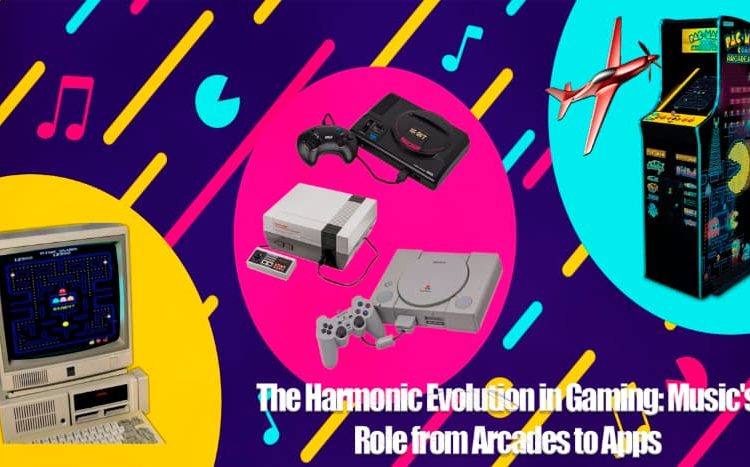
The Harmonic Evolution in Gaming: Music’s Role from Arcades to Apps

Music has metamorphosed throughout the gaming industry, from simple tracks that looped in early arcade games to elaborate orchestral scores in today’s PC and mobile gaming platforms. This transformation has turned music into a background element of game playing into a major part of the experience, enhancing characters’ stories, immersing players and drawing emotions. In this exploration, we shall see how music is not just accompanying but forming a core part of video games’ content, indicative of changes in technology and innovation in visual arts.

From 8-bit Tunes to Orchestras: Charting the History of Game Music

The development of game music historically refers to a transition starting from simple 8-bit tunes created within the span of the 1980s to complicated orchestral motifs defining the current times. Initially, composers were limited by technical capacities to only beeps and tunes such as those found on “Pac-Man” or “Tetris.” 

The introduction of MIDI technology resulted in more complex compositions; for example, the “Final Fantasy” series was responsible for deeper narratives with its music. Full orchestras became an essential factor when developers wanted their audiences to become fully absorbed into their virtual reality, some examples include The Elder Scrolls: Skyrim.

These milestones underscore the integral role of music in enhancing gameplay, storytelling, and player immersion, reflecting the industry’s technological advancements and growing recognition of composers’ artistry.

Silence Speaks: The Unique Approach of Aviator by Spribe

Aviator has been designed by Spribe to have no sound of music, simple and focused. This is a part of its design concept, which focuses on simplicity. This type of silence is intended to extract the most out of players when they are going up or down with their aviators. In other words, ‘Aviator’ eliminates music from the game; thus shifting the emphasis on the auditory elements onto the player’s actions and mechanics, leading to a unique and immersive experience. 

The aforementioned approach implies that game creators decided to include as few details as possible for gamers so that they could express themselves about what was happening in gameplay, without being influenced by a background track, making it possible to make online betting more personal and emotional.

Amplifying the Game: How Music Elevates Player Experience

One major benefit comes with the incorporation of music into games; this makes gaming much better than before. In this case, soundtracks make the gaming process both interactive and realistic, since they create environments for players where gamblers enter real worlds. It also helps build up game scripts such that characters become more realistic, thus appealing to more emotions towards them.

This is the bond between music and video games that further defines player engagement, providing memorable experiences beyond the screen, and exhibiting how music can magnify the artistry and impact of video games.

The Psychology of Sound: Music’s Emotional Resonance in Gaming

Music in a game works deeply on the psychology of a person as it greatly affects their emotional responses, moods, and levels of engagement. Employing good music can make a player feel a whole range of emotions, from tension during battle scenes to tranquillity within peaceful environments; thus having direct psychological effects on players’ minds while playing. These heightened moments make success more rewarding and loss more devastating. The use of music in strategy enhances storytelling by making such narratives more vivid and lasting.

  1. Enhanced Emotionality: Music heightens emotionality across various game elements, as illustrated by exciting victories or dramatic defeats.
  2. Mood Optimization: Background tracks may have a calming or energizing influence over gamers, affecting their overall experience.
  3. Involvement and Absorption: Immersion into gaming realities is accompanied by an appropriate soundtrack, which creates deeper involvement for players.
  4. Behaviourism: Some rhythms or musical motifs may affect player decisions and strategies, giving a clue for what to do next in terms of gameplay.

Music in video games does more than enrich the gaming experience, as it also epitomizes a crucial aspect of marketing and branding strategies that improve brand identity and recall. This has been exemplified by the world-famous themes from games like “Super Mario Bros.” and “The Legend of Zelda” which have gone beyond gameplay to form part of Nintendo’s brand identity. 

The haunting soundtracks of Halo have played a vital role in its promotion, thus confirming the epic scope and immersive nature of the franchise. Consequently, these musical trademarks do not just amplify the game but also kindle strong bonds with audiences displaying music’s capacity to embody or elevate any given game’s brand essence within a competitive industry.

Composing the Future: Innovative Trends in Video Game Music

Emerging technologies, genres, and creative approaches are influencing current trends and shaping future innovations in video game music. Adaptive music technology is increasingly becoming more advanced, resulting in personalized gaming experiences where music changes according to player actions. 

Additionally, the blending of various musical genres, from electronic to traditional orchestral, reflects the industry’s growing diversity. Virtual reality games are also pushing composers to explore spatial audio, creating immersive soundscapes that envelop the player. These advancements promise a future where game music not only enhances gameplay but also becomes an even more integral part of the gaming narrative and experience.

What Are The Best Link Building Vendors? Effective SEO Tips

In today’s fiercely competitive online landscape, the significance of securing high-quality backlinks cannot be overstated. These backlinks play a pivotal role in elevating your website’s search engine rankings and driving organic traffic. They are like digital endorsements that signal to search engines the value and relevance of your content. To navigate this intricate process and assist you in identifying the best link building vendors, we’ve meticulously compiled a comprehensive list of expert-recommended options.

1. Quality over Quantity

One of the most important criteria to consider is the vendor’s approach to link building. Avoid vendors that promise an excessive number of links in a short time frame. Instead, focus on vendors that emphasize the quality of links. High-quality links from authoritative websites hold more value in the eyes of search engines and can have a greater impact on your website’s SEO.

2. Relevance of Links

Links originating from pertinent sources within your field hold greater significance compared to arbitrary links from unrelated platforms. A trustworthy link building provider comprehends the significance of context and diligently endeavors to obtain links from websites linked to your sector, merchandise, or offerings. This targeted approach bolsters the credibility of your backlink profile and solidifies your website’s authority within your niche.

  • Additionally, an effective link building strategy should encompass a mix of both high-authority and niche-specific websites. This combination not only enhances your site’s domain authority but also establishes your website as an authoritative resource within your industry. 
  • It’s important for the vendor to focus on quality over quantity, ensuring that each acquired link contributes meaningfully to your overall profile, which can be viewed with a Ahrefs link building instrument.
  • Moreover, the vendor should be adept at fostering relationships with webmasters and content creators to secure natural and organic links. These types of links, earned through genuine connections and collaborations, carry substantial weight in the eyes of search engines and can have a lasting positive impact on your website’s SEO efforts. 

Ultimately, a well-rounded link building strategy tailored to your unique goals and industry can significantly contribute to your website’s search engine visibility, organic traffic, and overall online presence.

3. Transparency and Reporting

A trustworthy link building vendor will provide transparent reporting of their activities. They should offer insights into the websites they are targeting, the progress of the campaign, and the status of links obtained. Regular updates and clear communication are indicators of a vendor that values transparency.

4. White-Hat Practices

Ensure that the vendor follows ethical and white-hat link building practices. Avoid those who engage in black-hat tactics such as buying links or participating in link farms, as these can result in severe penalties from search engines. A reliable vendor will adhere to industry best practices and focus on organic, natural link acquisition.

5. Customization and Strategy

Embracing a one-size-fits-all strategy for link building often falls short of achieving the desired outcomes. A reliable vendor recognizes the significance of tailoring their approach to your unique circumstances. They will invest time in comprehending your website’s objectives, target audience, and current link profile. By gaining insights into these aspects, they can then craft a personalized link building strategy that perfectly aligns with your distinct requirements and aspirations. This individualized approach not only maximizes the effectiveness of your link building efforts but also enhances your chances of securing high-quality links from relevant and authoritative sources. The emphasis on customization underscores the vendor’s commitment to achieving results that resonate specifically with your brand and its objectives.

6. Portfolio and Case Studies

Review the vendor’s portfolio and case studies to evaluate the success of their previous link building campaigns. Look for evidence of improved search rankings and increased organic traffic. This will give you insight into their capabilities and the results they can potentially deliver for your website.

7. Quality of Content

Content serves as the cornerstone of any prosperous link building campaign. When evaluating potential vendors, it’s crucial to delve into the quality of the content they create for guest posts, outreach emails, and other link-related assets. Prioritize vendors who consistently deliver content that is not only high in quality but also informative and captivating. Such content is far more likely to entice links from reputable websites, ultimately boosting the effectiveness of your link building efforts. By focusing on the creation of valuable and shareable content, you lay a strong foundation for building meaningful connections within your industry and enhancing your website’s authority and credibility.

8. Long-Term Approach

Link building is not a one-time effort but an ongoing process. A reliable vendor will emphasize the importance of a long-term approach to link building. They should be focused on building sustainable, natural link profiles that will continue to benefit your website over time.

9. Ethical Practices

Consider a vendor’s reputation within the industry and their commitment to ethical practices. Avoid vendors that have been associated with spammy or unethical link building tactics. Working with a reputable vendor can help safeguard your website’s reputation and ensure long-term success.

10. Communication and Accessibility

Effective communication is key to a successful partnership. 

  • When selecting a vendor, prioritize those who are responsive, accessible, and eager to promptly address your inquiries and concerns. 
  • Maintaining open lines of communication ensures that you’re well-informed about the campaign’s progress and any potential adjustments required. 
  • Regular updates on the project’s status and an ongoing dialogue with the vendor can contribute to a smoother collaboration. This not only allows for effective problem-solving but also enhances the overall quality of the partnership. 

Remember, a vendor who values communication demonstrates their commitment to your shared goals, and this can greatly contribute to the success of your endeavors.

In Сonclusion 

The best link building vendors offer a range of strategies that can be tailored to your specific goals, ensuring that you’re not only acquiring backlinks but also building a link profile that aligns with your website’s niche and target audience. These strategies can encompass guest posting, outreach to authoritative websites, content placement in relevant online publications, influencer collaborations, and more. Such diversified approaches enable you to obtain a variety of high-quality backlinks that collectively enhance your website’s authority and visibility within search engines.

  • Partnering with the right link building vendor is akin to having a seasoned guide in the ever-evolving landscape of SEO. Their expertise allows you to navigate algorithm updates, changing ranking factors, and industry trends with confidence. 
  • Moreover, collaborating with a reputable vendor provides you access to insights, data, and analytics that help you measure the impact of your link building efforts. This information empowers you to make informed decisions, refine your strategies, and allocate resources effectively to maximize your organic growth potential.

In essence, the selection of an appropriate link building vendor can significantly contribute to the sustainability and success of your website’s SEO endeavors. By forging a strategic partnership, you position yourself to consistently enhance your online presence, cultivate a strong backlink profile, and remain competitive in an ever-evolving digital landscape.

Top 10 John Williams Scores: A Symphony of Cinematic Brilliance

Introduction: The Maestro of Movie Magic

In the world of film music, few names shine as brightly as John Williams. Born on February 8, 1932, in Floral Park, New York, Williams has become synonymous with cinematic scores that transport audiences to galaxies far away, magical schools, and shark-infested waters. With a career spanning over six decades, Williams has composed some of the most iconic and recognizable film scores in history.

His accolades are a testament to his genius: 5 Academy Awards, 25 Grammy Awards, 4 Golden Globes, and even a Kennedy Center Honor. Williams’ collaboration with filmmakers like Steven Spielberg and George Lucas has resulted in soundtracks that have not only achieved critical acclaim but have also raked in billions at the box office.

Now, let’s embark on a musical journey as we rank the top 10 scores from this legendary composer:

10. Jurassic Park (1993) Box Office: $1.03 billion
The haunting beauty of the “Theme from Jurassic Park” captures the wonder and terror of a world where dinosaurs walk the earth once more. It’s a score that’s both majestic and foreboding.

9. Close Encounters of the Third Kind (1977) Box Office: $306 million
The five-note motif used in this film became a symbol of communication and understanding, bridging the gap between humans and extraterrestrials.

8. Schindler’s List (1993) Box Office: $322 million
A hauntingly beautiful violin solo encapsulates the pain, sorrow, and hope of one man’s efforts to save as many lives as possible during the Holocaust.

7. E.T. the Extra-Terrestrial (1982) Box Office: $792 million
The “Flying Theme” is a testament to friendship and adventure, capturing the innocence and wonder of a boy and his alien friend.

6. Indiana Jones: Raiders of the Lost Ark (1981) Box Office: $389 million
The “Raiders March” is the embodiment of adventure, perfectly capturing the swashbuckling spirit of the iconic archaeologist.

5. Jaws (1975) Box Office: $471 million
With just two notes, Williams instilled a sense of impending doom and made audiences think twice about going into the water.

4. Harry Potter and the Sorcerer’s Stone (2001) Box Office: $974 million
“Hedwig’s Theme” is the musical gateway to the magical world of Hogwarts, instantly recognizable and beloved by fans worldwide.

3. Superman (1978) Box Office: $300 million
The “Superman March” is not just a theme; it’s an anthem of hope and heroism. From its triumphant brass opening to its soaring crescendos, the music encapsulates the essence of Superman: a beacon of hope in a world filled with challenges. Every time those first notes play, audiences can’t help but envision the Man of Steel taking flight, cape billowing, saving the day with unwavering determination. Williams managed to capture the duality of Superman’s character – the powerful hero and the humble Clark Kent – in a melody that’s as timeless as the character itself.

2. Star Wars: A New Hope (1977) Box Office: $775 million
The “Main Title” theme from “A New Hope” is the musical introduction to a galaxy far, far away and it’s nothing short of cinematic perfection. With its grand orchestration and epic scope, it sets the stage for a saga filled with adventure, romance, and battles between good and evil. This theme doesn’t just represent a film; it represents an entire universe of characters, stories, and lore. It’s the sound of a rebellion rising, of heroes embarking on a journey, and of a legacy that would change the landscape of cinema forever.

1. Star Wars: The Empire Strikes Back (1980) Box Office: $538 million
Topping our list is the unforgettable “The Imperial March.” This piece is more than just a theme; it’s a character in its own right. Dark, imposing, and dripping with menace, it perfectly encapsulates the might of the Galactic Empire and the chilling presence of Darth Vader. Every beat, every note tells a story of power, ambition, and the dark side of the Force. It’s a testament to Williams’ genius that he could craft a piece that becomes synonymous with one of cinema’s most iconic villains. When “The Imperial March” plays, it’s not just a theme; it’s a statement.

Conclusion

John Williams’ scores have transcended the realm of film music, becoming cultural touchstones that resonate with audiences of all ages. His compositions are not mere accompaniments to the visuals; they are integral to the storytelling, adding depth, emotion, and an unparalleled epic scale. In films where characters don’t always have the words to express their feelings, Williams’ music speaks volumes. As we reflect on his illustrious career and the indelible mark he has left on the world of cinema, it’s evident that John Williams is not just a composer; he’s a storyteller, a magician, and a true cinematic legend. His legacy is one of brilliance, and it will undoubtedly continue to inspire and captivate for generations to come.

New Music: The Brit-pop Style and Its Exciting Intersect with Mobile Live Casinos

If you are a fan of Brit-pop music, you know the genre has its unique sound and character. It’s not just about the music; it’s about the culture, the attitude, and the spirit of an era. Just like how live casinos bring an immersive, engaging experience, Brit-pop brings the music scene to life in its unique way. And when these two worlds of entertainment collide, they create a stimulating experience that is hard to ignore, especially when it’s in the comfort of your home through mobile live casinos.

The Origin and Evolution of Brit-pop Music

Brit-pop, the mid-1990s British musical movement, emphasized Britishness and produced bright, catchy pop songs as an alternative to the American grunge music. Its roots can be traced back to the Beatles and the Smiths, and bands like Oasis, Blur, and Pulp redefined its identity. In parallel, live casinos have evolved, offering an unparalleled gaming experience. Nowadays, mobile live casinos are creating new avenues for entertainment.

Key Elements of Brit-pop Music

Brit-pop, with its blend of infectious melodies and punchy lyrics, carved out a niche for itself. Similar to how the roulette spins in a live casino, Brit-pop has its unique spin to the music that keeps you coming back for more.

Influence of Brit-pop on the Music Industry

Brit-pop has made an indelible impact on the music industry. It paved the way for a resurgence of guitar-based music and reinvigorated the British music scene, similar to how live casinos revived the traditional casino gaming experience.

Top Brit-pop Bands

From Oasis’s raw energy to Blur’s art-pop sensibilities, Brit-pop bands defined the sound of a generation. Their music resonates on the floors of live casinos, providing a unique backdrop to the gaming experience.

Brit-pop Music Today

Even today, the influence of Brit-pop can be heard in many new bands. Just like the evolution of live casinos to mobile live casinos, Brit-pop music too has found its place in the digital age.

Experiencing Brit-pop in a New Way – Mobile Live Casinos

What if you could enjoy your favorite Brit-pop tracks while playing your favorite casino game? Enter mobile live casinos. They provide a blend of music and gaming, adding an extra layer of entertainment.

The Intersection of Brit-pop and Gambling

Mobile live casinos are revolutionizing the gaming experience by integrating music into their platform. Brit-pop, with its upbeat and lively tunes, creates the perfect atmosphere for a game of poker or blackjack.

Famous Brit-pop Songs in Live Casinos

The rhythm of the roulette wheel spin matches the beat of the song playing in the background, and it just feels right! If this sounds like you, you’re probably grooving to some famous Brit-pop tunes. Brit-pop and live casinos – it’s like fish and chips, mate, they just go together!

How to Enjoy Brit-pop at Mobile Live Casinos

It’s pretty simple and loads of fun with mobile live casinos. All you need is your phone and a bit of wanderlust for music and games. Download your favorite mobile live casino app from the app store, set up your account, and you’re good to go! Once you’re in, head over to the music settings and select Brit-pop from the list. There you’ll find a playlist full of classic Brit-pop tunes from the likes of Oasis, Blur, and Pulp, ready to roll. Now, it’s just you, the game, and Brit-pop music filling the air. 

Benefits of Listening to Brit-pop in Mobile Live Casinos

So, why is jamming to Brit-pop while playing on your mobile live casino such a big deal, you ask? Well, mate, it’s all about that immersive experience. Picture this: You’re cozied up on your couch, phone in hand, all set for a round of poker or blackjack. As the virtual cards get dealt, there’s Oasis or Blur blasting through your headphones, setting up the rhythm of the game. The classic Brit-pop tunes pump you up, add a bit of drama, and make the whole gaming scene a lot more fun. Every win feels like a dance celebration, and every loss, well, just another reason to lose yourself in the music. Plus, it gives you the feel of a real casino, all glitz and glamour, right there in your living room. Brit-pop in mobile live casinos? 

Conclusion

Brit-pop music and live casinos may seem like two different worlds, but their intersection has created a unique entertainment experience, especially in the world of mobile live casinos. It’s time to let the music play and the games begin.